Photo: Microsoft Stock Images
Sleep position plays a meaningful role in how the body feels each morning. While comfort often drives how we settle in at night, posture during sleep can affect breathing, joint alignment, and overall rest quality. Learning about common sleeping positions helps women make small adjustments that support long-term wellness.
Side Sleeping and Its Benefits
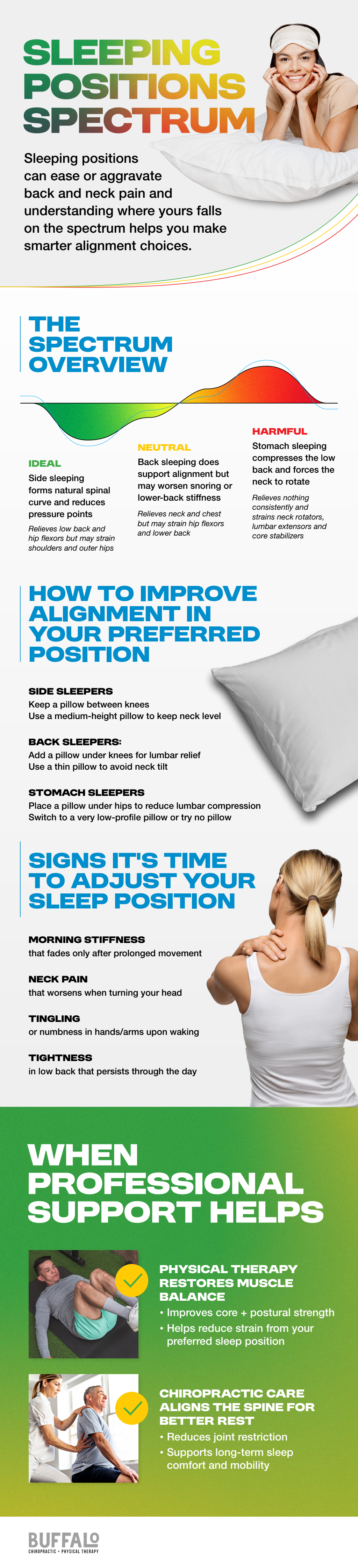
Side sleeping is one of the most popular sleeping positions, especially among women. It can support easier breathing and may reduce nighttime snoring. Many people find this position comfortable for the lower back when the spine stays aligned.
Placing a pillow between the knees helps reduce strain on the hips and pelvis. Those who experience shoulder discomfort may benefit from a pillow that fills the space between the mattress and neck. Side sleeping on the left can also aid digestion for some people.
Back Sleeping and Spinal Support
Sleeping on the back allows the head, neck, and spine to rest in a neutral position when proper pillow support is used. This position may reduce pressure points and help prevent facial skin creasing caused by prolonged contact with pillows.
However, back sleeping can worsen snoring or sleep apnea for some people. A pillow placed under the knees may help ease tension in the lower back. Choosing a pillow that supports the natural curve of the neck is important for comfort through the night.
Stomach Sleeping Considerations
Stomach sleeping is less common and can be challenging for the body. This position often forces the neck to turn to one side for extended periods, which may cause stiffness or discomfort. It can also increase pressure on the lower back.
For those who prefer this position, using a thin pillow or no pillow under the head may reduce neck strain. Placing a small pillow under the hips can help keep the spine more neutral during sleep.
Combination Sleepers and Movement
Many people change positions throughout the night. Combination sleeping is normal and often reflects the body seeking comfort. Mattress firmness and pillow choice play a key role in supporting movement without disrupting sleep.
Paying attention to how the body feels in the morning offers clues about whether adjustments are needed. Waking up with recurring soreness may signal that better alignment could help.
When Sleep Position Affects Daily Comfort
Persistent pain or stiffness linked to sleep posture may benefit from professional insight. Some women work with physical therapy providers to address alignment issues and improve body awareness. Gentle exercises and posture guidance can complement changes made in the bedroom.
Sleep position is a personal habit shaped by comfort, health, and routine. Small changes, such as pillow placement or mattress support, can make a noticeable difference over time.
Final Thoughts...
Finding a position that allows the body to rest without strain supports better mornings and steadier energy. Paying attention to sleep posture encourages care for the body during one of the most important parts of the day. To learn more about different sleeping positions, feel free to look over the accompanying resource below.