Photo: Karolina De Costaos
We’ve all stood in front of a wall of paint swatches, feeling the weight of the decision. Choosing colors for your home is a unique crossroad where creative inspiration meets practical reality. The shades you pick do more than just decorate; they set the emotional tone of your sanctuary and dictate how light dances across your furniture. With a bit of patience and a focused approach, you can move past the overwhelm and use color as a tool to cultivate a home that feels authentic, expressive, and perfectly in sync with the life you lead.
#1. Start With How the Room Is Used
Every room serves a purpose, and color should support that function. Bedrooms often benefit from softer tones that promote rest, while kitchens and dining areas can handle more energy and warmth. Living rooms fall somewhere in between, balancing relaxation with social connection.
Consider how much time you spend in each space and what you want to feel while you are there. Calm, focus, or motivation all respond differently to color. Thinking about use first helps narrow options before emotion takes over.
#2. Pay Attention to Natural and Artificial Light
Light changes everything. A color that looks perfect in a store can feel completely different once it is on your wall. Rooms with ample sunlight can handle cooler shades without feeling cold. Spaces with limited natural light often benefit from warmer hues that add depth.
Artificial lighting also plays a role. Soft white bulbs enhance warm colors, while daylight bulbs highlight cooler tones. Testing paint samples on different walls and observing them throughout the day gives a clearer picture of how color and light work together.
#3. Consider Flow From Room to Room
Homes feel more cohesive when colors relate to each other. This does not mean every room must match. Instead, look for a common thread, such as similar undertones or a consistent level of warmth.
Neutral spaces can act as transitions between bolder rooms. Hallways and open floor plans especially benefit from continuity, helping the home feel intentional rather than segmented.

Photo: lost voyager
#4. Use Color to Shape Space
Paint can influence how large or small a room feels. Lighter colors tend to open up a space, while darker shades create intimacy. Vertical stripes or lighter ceilings can make a room feel taller. Accent walls draw attention and define focal points when used carefully.
For those unsure about committing to bold color, small applications such as powder rooms or reading nooks offer a low-risk way to explore personality.
#5. Trust Personal Style Over Trends
Trends change quickly, but personal taste lasts longer. While it is helpful to look at current palettes for inspiration, the best choice is one that feels right long term. Clothing preferences, artwork, and even favorite travel destinations can guide color selection.
#6. Work With Professionals When Needed
Sometimes guidance makes the process smoother. Color consultants and experienced painters understand how pigments behave in real spaces. When planning a full home refresh, residential painting professionals can offer insight into finishes, durability, and preparation that support lasting results.
Let's Summarize...
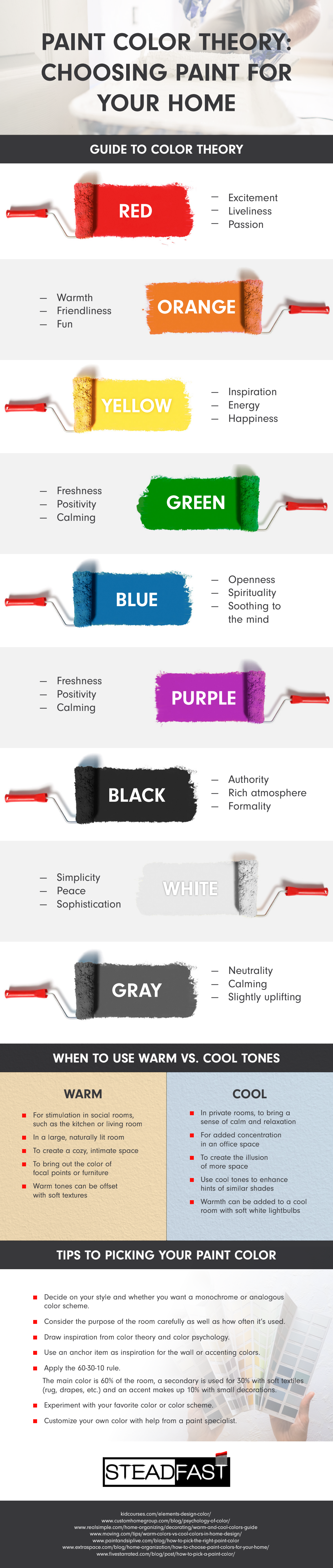
Finding the perfect shade is about more than just home improvement; it’s about transforming a room into a personalized heaven. By understanding the interplay between light, texture, and your own furniture, you can create a space that deeply resonates with your lifestyle. When your walls blend harmoniously with your environment, your home feels more intentional and grounded. Check out the infographic below for a quick summary of these tips.